How to back up and recover a Bitcoin wallet safely
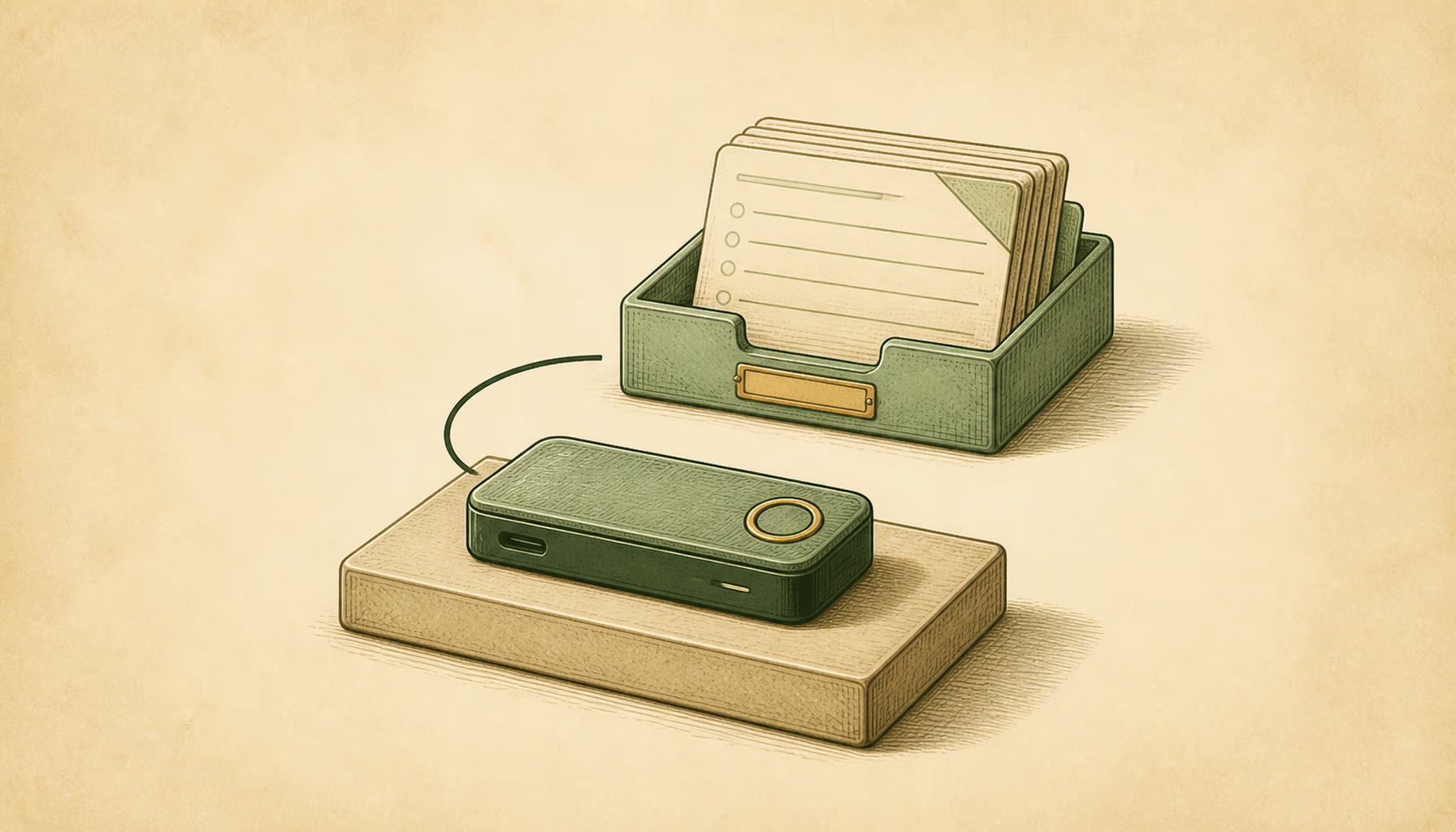
Learn what a Bitcoin wallet backup must protect, how to reduce single points of failure, and how to test recovery without exposing sensitive material.
Direct answer
A Bitcoin wallet backup is useful only when it can restore the exact wallet setup without exposing the material that authorises spending.
A backup is useful only if it can restore access when the original device is lost, damaged or unavailable. It must also remain private. A backup that is easy for an attacker to copy creates a different failure.
Wallets do not all use the same recovery design. Some rely on a recovery phrase. Others require an encrypted file, wallet descriptor, hardware device, several keys or a managed recovery process. Start with the documentation for the exact wallet and version in use.
What should a Bitcoin wallet backup protect against?
A recovery plan should consider more than device loss. Common failure cases include fire, water damage, theft, forgotten access instructions, software incompatibility and the death or incapacity of the owner.
The aim is not to predict every event. It is to avoid one device, one location or one person's memory becoming the only path to recovery.
Which recovery method does your wallet use?
The recovery method is the exact documented process and material required to restore a particular wallet and version. It may use a recovery phrase, encrypted file, wallet descriptor, hardware device, several keys or a managed recovery process.
Start with the documentation for the exact wallet and version in use.
Why should secrets and instructions be separate?
Recovery material may authorise spending, while instructions explain how and when to use it. Separating those items can reduce the risk that one obvious package gives an attacker everything needed for theft.
The right separation depends on whether the setup uses one key, multiple keys or a service-supported process.
What are the risks of physical and digital backups?
Paper and metal backups can be photographed, stolen, destroyed or misread. Digital backups are easy to duplicate, but malware, cloud-account compromise and accidental sharing can expose them.
Do not assume a photo of a recovery phrase is secure. Avoid digital copies unless the wallet’s recovery design explicitly requires them and the encryption and access model have been reviewed.
How can you test recovery safely?
Test recovery only through the wallet provider’s documented method and in an environment that does not expose the secret to an untrusted device or website. An untested backup is an assumption, not evidence that recovery will work.
Do not enter a real recovery phrase into an online checker or accept help from unsolicited support accounts. If the setup holds a material amount or uses several keys, a qualified security review may be appropriate before the first live deposit.
When should you review a backup plan?
Review the plan after wallet software, hardware, multisig policy, custody model, key or family changes. Record the date of the last successful recovery test.
What should a recovery-plan checklist cover?
- Identify the exact wallet and recovery method.
- Confirm which items are required for restoration.
- Remove avoidable single points of failure.
- Keep secrets away from cameras, messaging apps and untrusted devices.
- Document who may initiate recovery and under what circumstances.
- Test the approved process without exposing live secrets.
- Revisit the plan after material changes.
A recovery plan is part of custody, not a one-time setup task.
Frequently asked questions
Can a photo of a recovery phrase be a safe backup?
Do not assume so. Photos can be copied, exposed through cloud synchronisation or accessed if a device is compromised. Use the exact wallet’s documented recovery design. Bitcoin.org guidance
Should you test a wallet backup before relying on it?
Yes, through the wallet provider’s documented method and without exposing live secrets to an untrusted device or website. The exact recovery requirements vary by wallet. BIP 39
Related: Bitcoin custody: self-custody, custodial and shared control; Bitcoin private keys and recovery phrases; Bitcoin multisig explained; Bitcoin inheritance planning.
Primary sources: Bitcoin.org: Securing your wallet, Bitcoin.org: Some things you need to know, BIP 32, BIP 39.

Everything about Secured Lending
Download the brochure and learn more about our offering.
Blockrise needs the contact information you provide to us to contact you about our products and services. You may unsubscribe from these communications at any time. For information on how to unsubscribe, as well as our privacy practices and commitment to protecting your privacy, please review our Privacy Policy.